Chinese private contractors supply advanced malware, massive botnets like Raptor Train, and stolen intelligence to state actors. This report reveals how firms enable Salt Typhoon, Flax Typhoon, and Volt Typhoon operations through composite responsibility model. Organizations must strengthen defenses against these evolving threats.
Chinese Cyber Contractors Lead Global Spyware Operations
Chinese cyber operations have transformed completely in recent years. Government agencies no longer handle every attack alone. Private companies and contractors now form the backbone of major espionage campaigns worldwide.
These firms develop powerful malware, operate huge botnets, and sell stolen data directly to intelligence services. This shift creates complex layered threats that traditional attribution methods struggle to address. Security teams worldwide face new challenges as commercial players enable sophisticated state-level intrusions.
Recent reports highlight how this ecosystem supports operations like Salt Typhoon against telecom networks and Flax Typhoon campaigns. Private contractors provide tools, infrastructure, and intelligence that make large scale attacks possible while offering some distance to state sponsors. Understanding this model becomes critical for every organization handling sensitive data or operating critical infrastructure.
Chinese Cybercontractors in State Operations
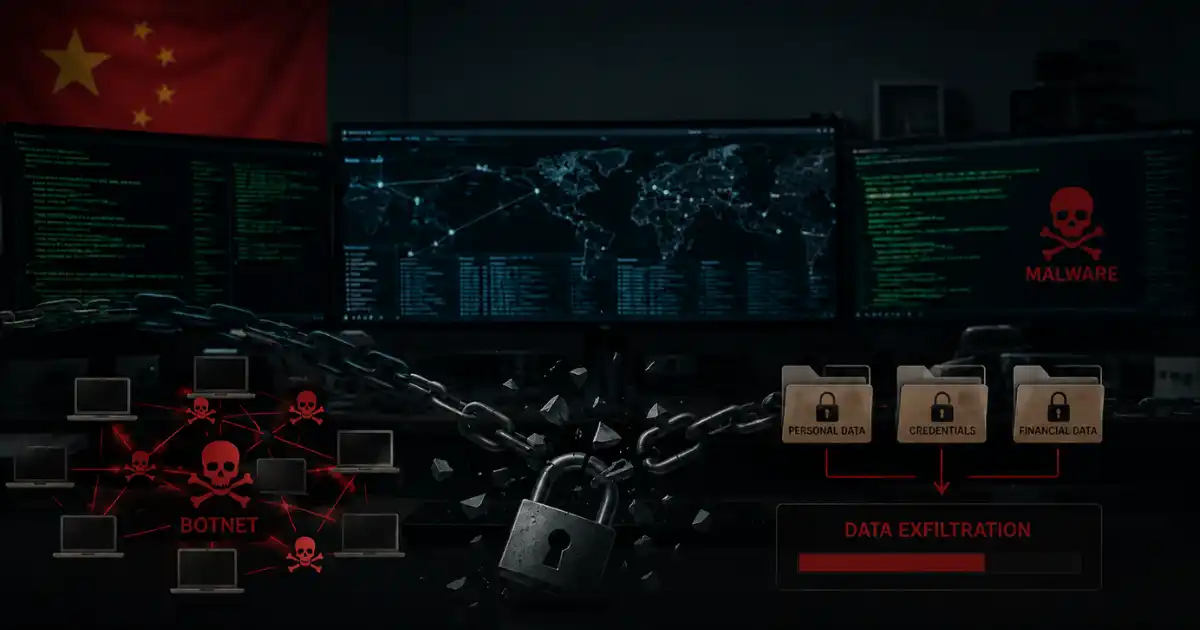
Private technology firms in China now supply complete solutions for cyber espionage. They build custom malware, maintain botnets of hundreds of thousands of compromised devices, and operate data brokerage networks. This commercial layer allows state intelligence services to scale operations rapidly while maintaining operational security.
One major example involves Integrity Technology Group based in Chengdu. This company developed and controlled the Raptor Train botnet that infected over 200000 devices globally. Authorities in the United States and United Kingdom sanctioned the firm for enabling Flax Typhoon activities.
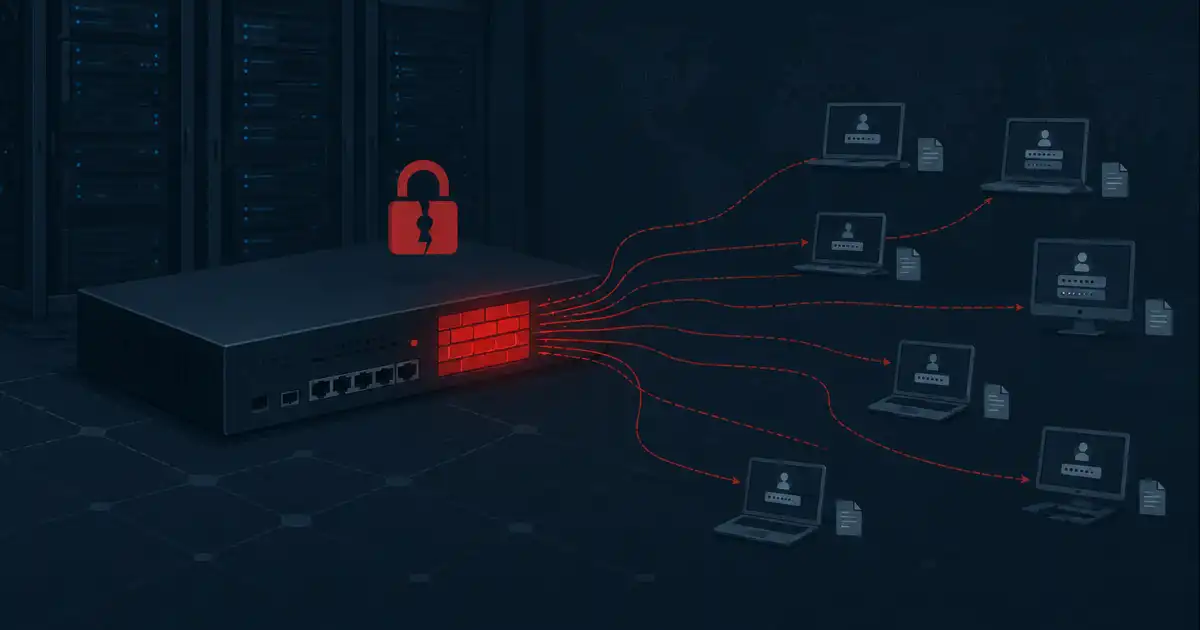
The botnet primarily used compromised SOHO routers, IoT devices, and firewalls to hide the true origin of attacks. Attackers leveraged these residential IPs to conduct reconnaissance and data exfiltration while making attribution extremely difficult.
Another key player, I-Soon also known as Auxun Information Technology, received significant attention after major data leaks. Internal documents revealed how contractors conducted intrusions for Ministry of State Security and Ministry of Public Security clients.
The company targeted multiple governments and then sold access or stolen data through commercial channels. Employees worked on projects targeting at least fourteen different countries while operating under commercial contracts.
ShadowPad malware provides another clear case study. Private developers created this advanced backdoor and sold it to multiple suspected PLA units including groups linked to APT41. This commercialization means responsibility spreads across developers sellers and end users in what analysts call the composite responsibility model.Data brokering adds yet another dangerous dimension.
Individuals linked to various APT groups steal valuable intelligence and then resell it through multiple layers including contractors like I-Soon. This marketplace approach turns stolen data into a profitable commodity while fueling further espionage activities.
Salt Typhoon campaign against Western telecommunications providers demonstrates the full power of this ecosystem. Multiple private firms reportedly enabled the operation that compromised numerous telecom companies and potentially collected data on millions of users including government officials and political figures.
Deep Dive Into Malware Botnets & Data Theft Techniques
Chinese contractors employ advanced techniques to build resilient covert networks. Botnets like Raptor Train and KV Botnet primarily target small office home office routers, IP cameras, network attached storage devices, and other IoT equipment.
Many run variants of Mirai malware family customized for long term persistence.These compromised devices serve as proxies and command infrastructure. Attackers route their real operations through these residential and consumer IPs to blend with normal traffic. Living off the land techniques combined with this proxy layer make detection particularly challenging for traditional security tools.
Malware frameworks such as ShadowPad offer modular capabilities including credential theft, screenshot capture, keylogging, and command execution. Contractors continuously update these tools and offer them as managed services to government clients.
Prompt injection style techniques and supply chain compromises also appear in contractor toolkits. Some groups maintain access to development environments or third party software to insert backdoors that reach downstream customers.
Data exfiltration focuses on high value targets including intellectual property, government communications, critical infrastructure schematics and personal information of influential individuals. Stolen datasets often move through multiple brokers before reaching final state customers.
Identifying Chinese Contractor Threats
Organizations must adopt proactive hunting strategies to uncover these layered attacks. Start with comprehensive asset inventory especially for internet facing devices including routers, firewalls, and IoT equipment.
Many botnet infections begin with unpatched vulnerabilities in SOHO devices.Monitor network traffic for unusual patterns such as connections from residential IP ranges to critical systems. Look for command and control traffic that appears legitimate or uses common protocols in unexpected ways.
Endpoint detection should focus on anomalous processes, unusual PowerShell or command line activity, and persistence mechanisms in routers or network devices. Implement strict network segmentation to limit lateral movement once initial access occurs.
Threat intelligence feeds that track known contractor indicators of compromise prove valuable. Watch for activity linked to Integrity Technology Group infrastructure or I-Soon associated tools.Regular vulnerability scanning combined with firmware integrity checks on network devices helps identify compromised hardware early.
Behavioral analytics tools can spot deviations from normal baseline traffic even when attackers use living off the land methods.
Defense Against Chinese Cyber Threats
Immediate actions include enforcing multi factor authentication everywhere possible and implementing zero trust architecture principles. Restrict administrative access using strict allow listing and just in time privileges.
Patch management must extend beyond servers and workstations to all network devices and IoT equipment. Replace or isolate end of life routers that cannot receive security updates.Deploy network segmentation and micro segmentation to contain potential breaches. Host based intrusion detection systems add valuable visibility inside critical environments.
For high risk organizations, active threat hunting teams should regularly search for indicators of contractor enabled campaigns. Subscribe to official government advisories from CISA, FBI, NCSC and Five Eyes partners for timely warnings.
Consider implementing deception technologies and canary tokens to detect reconnaissance activities early. Regular security awareness training helps employees recognize phishing and social engineering attempts that often serve as initial access vectors.Organizations should also review third party vendors and supply chain security since contractors frequently target these weaker links to reach primary targets.
Final Thoughts
Chinese cyber contractors have fundamentally changed the threat landscape by commercializing espionage capabilities. Malware development, botnet operations, and data brokerage now operate as interconnected services supporting state objectives. Organizations cannot afford to ignore this reality.
Strong foundational security combined with continuous monitoring, threat hunting, and up to date intelligence provides the best defense. Security teams must move beyond traditional APT tracking toward understanding these layered commercial state partnerships.
The time to strengthen defenses is now before your organization becomes part of the next major campaign. Proactive measures today significantly reduce risks from this sophisticated and rapidly evolving threat actor set.