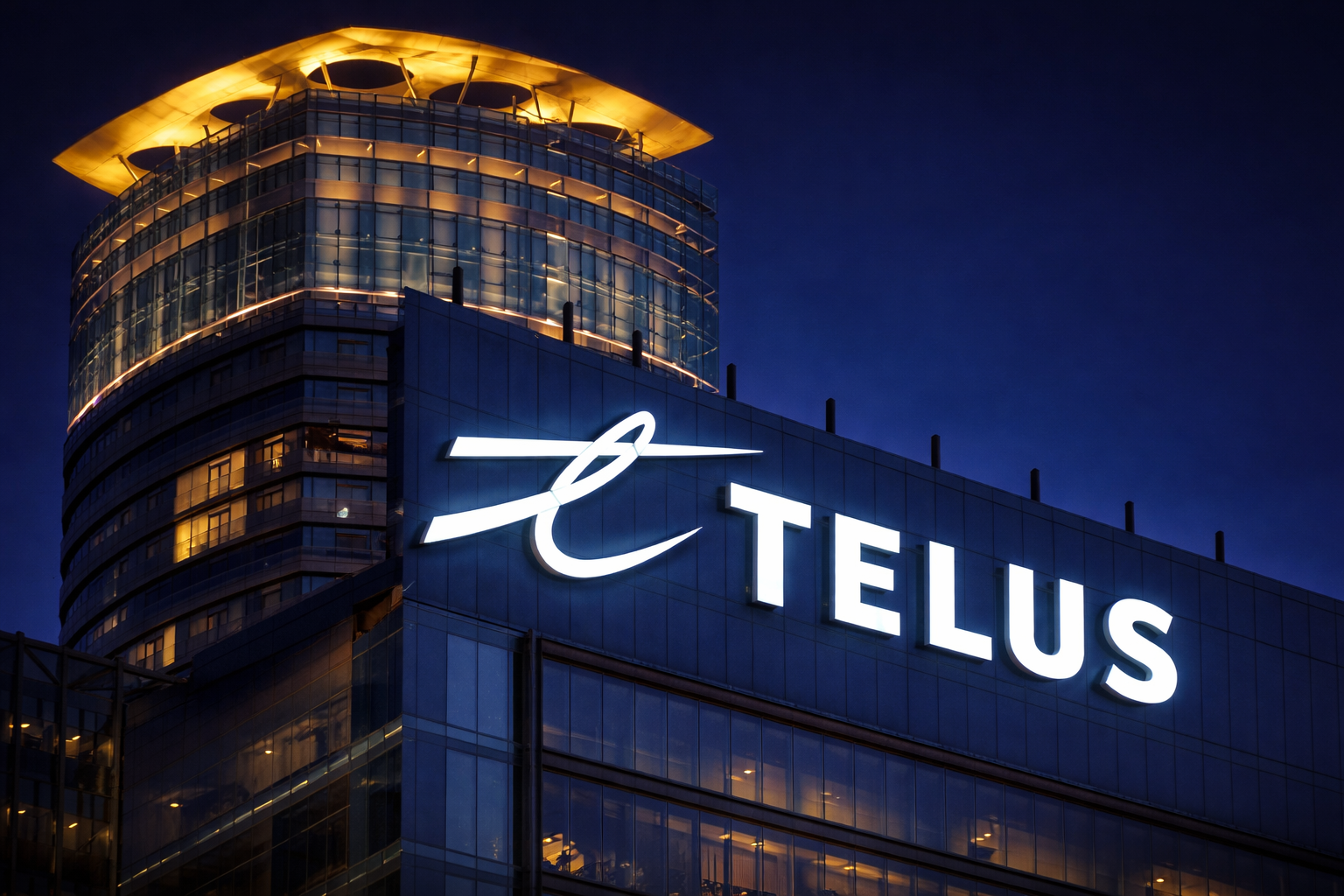
One of the most talked-about cybersecurity incidents of 2026 is the recent attack on Telus. This breach is more than just a headline, as reports indicate that up to 700TB or more of sensitive data may have been stolen. It serves as an stark example of how vulnerable even the biggest telecom companies can be.
This incident directly affects anyone who uses cloud platforms, mobile services or even works in cybersecurity.The Telus data breach demonstrates a risky change in hacker strategies and attackers now exploit weak credentials, cloud misconfigurations, and ignored security flaws rather than relying only on advanced exploits.
Telus Hack Explained: What Happened in the 2026 Massive Data Breach?
After a well known cybercriminal group ShinyHunters claimed responsibility for breaching the company systems, the Telus hack gained attention. In contrast to malware ased intrusions or conventional ransomware attacks.This breach seems to have been executed using compromised or previously disclosed login credentials.
This indicates that the attackers logged in with legitimate access rather than breaking in with brute force. Once inside, they could navigate between systems, investigate cloud environments, and retrieve huge quantities of private information without being discovered right away.A term frequently used as credential-based attacks or cloud data breaches this kind of cyberattack is becoming more frequent and is currently one of the most popular cybersecurity topics.
How Much Data Was Stolen? (Why This Breach Is So Dangerous)
The amount of data exposure is among the most startling features of the Telus breach. Between 700 terabytes and 1 petabyte of data may have been stolen, according to cybersecurity experts.Millions of user records, years of internal communications, and extremely sensitive corporate data could all included in amount of data to put it in viewpoint.
When breaches get to this stage, they are frequently categorised as large-scale cyber incidents or massive data breaches both of which rank highly in cybersecurity news searches.The bigger the dataset, the higher the long-term risk. Data that has been stolen doesn’t just go away; it is often sold on dark web marketplaces, used for identity theft, or used in future cyberattacks.
What Type of Data Was Exposed?
The leaked data may contain a combination of corporate and personal information, though complete details are still being revealed. Customer names, phone numbers, email addresses and possibly correspondence records may be included in this.
Furthermore it’s possible that internal company data, including source code, technical documentation and system configurations were accessed.The risk of secondary attacks in which hackers use stolen data to target users once more through phishing, scams or social engineering is greatly increased by this kind of exposure.
The result is users serious concerns about identity security and privacy. It highlights how crucial it is for businesses to safeguard both internal systems and customer data.
How Did Hackers Breach Telus? (Simple Explanation)
An excellent illustration of how modern hacking methods are developing is the Telus cyberattack. Attackers are concentrating on human error and loose safety measures rather than taking advantage of software flaws.
In this instance, the entry point was probably compromised credentials. After gaining access, attackers might have expanded their network reach by exploiting insufficient access controls or poorly configured cloud systems.
Because it frequently gets around conventional security measures this approach is especially risky. Many systems do not recognize the login as a threat because it looks authentic. This explains the global trend of searches for cloud security risks, credential leaks, and data breach prevention.
Why Telecom Companies Are Prime Targets in 2026
Hackers find telecom companies like Telus to be among the most appealing targets.They store vast amounts of sensitive user data, including communication records, location data, and personal information.Due to a single successful attack can produce vast amounts of valuable data, cybercriminals are increasingly focusing on these kinds of organizations in 2026.This trend is part of a broader shift toward big data breaches and high-value cyber targets.
Real-World Impact: Why You Should Care
Users are directly impacted by this breach, making it more than just a corporate issue. Financial fraud, identity theft, and phishing attacks could target you if your data is compromised.
Similar attacks are occurring all over the world even if you are not a Telus customer.This implies that other service providers, apps, or platforms you regularly use could put your data at risk.Understanding incidents like the Telus hack helps users stay informed and take proactive steps to protect their digital identity.
How to Protect Yourself from Similar Breaches
Large-scale cyberattacks might seem uncontrollable, but there are things you can do to lower your risk. Your security can be greatly increased by using strong, one-of-a-kind passwords for every account and turning on two-factor authentication.Additionally, it’s critical to keep an eye out for doubtful emails, messages, or login alerts. You can identify possible threats early by keeping an eye out for strange activity on your accounts and updating your software on a regular basis.
More than just a significant data breach, the 2026 Telus hack serves as a warning to people, companies, and governments everywhere. Traditional security measures are insufficient because cybercriminals are increasingly concentrating on supply chain vulnerabilities, cloud misconfigurations, and credential-based attacks.
For users, this means being proactive is crucial: monitoring accounts, turning on two-factor authentication, and changing passwords on a regular basis can all have a big impact. In order to prevent multi-terabyte data breaches, businesses must now invest in real-time threat detection, ongoing cloud security audits, and employee cybersecurity training.