In recent weeks there has a large significant change in the global cybersecurity landscap, with Romania becoming the main hub of coordinated cyberwarfare.The country’s primary digital infrastructure has seen a shocking 60% increase in distributed denial-of-service (DDoS) attacks according to the most recent weekly threat intelligence reports.
This unusual escalation is an intentional breach by pro Russian hacktivist collectives such as the group known as NoName057 rather than just a string of coincidental errors (16).These threat actors have indicated a new stage in geopolitical cyber-attacks by shifting all of their military attention from other European targets to Romanian assets. This is probably related to Romania’s strategic position within NATO and its ongoing support for regional stability.
The Mechanics of the Operation: How the DDoS Attack Was Executed
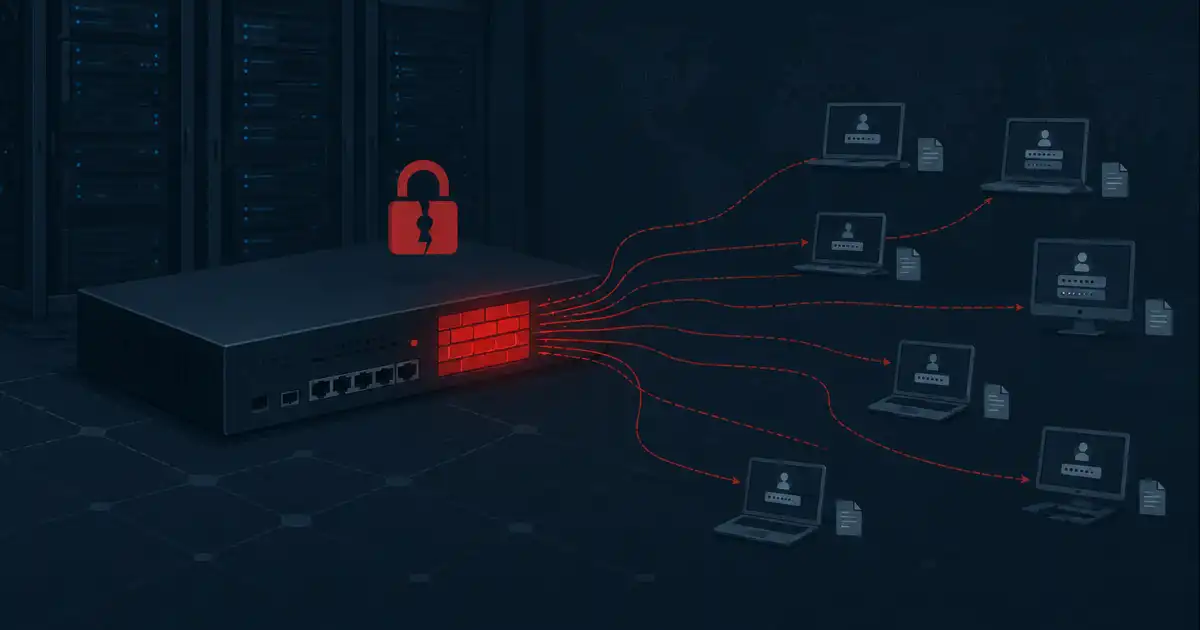
To understand how this happened we must look at the orchestration of the DDoSia project a crowdsourced botnet framework. It is important to clarify that this is not traditional data breach where information was stolen instead, it was a massive Distributed Denial-of-Service (DDoS) attack designed to destory or distrup the infrastructure. The attackers distributed specialized software to thousands of volunteer nodes across the globe, creating a massive, decentralized digital army.
This campaign used the encrypted HTTPS flooding, in contrast to conventional attacks that just jam internet pipes with raw data.The hackers exhausted the target systems CPU and memory by making the Romanian servers execute costly digital handshakes for millions of fake visitors at once.They were able to avoid detection by conventional volumetric defences by tricking the servers from the inside out by imitating authentic user behaviour.
Technical Evolution: The Rise of Layer 7 DDoSia Tactics
These attacks are advanced technology exposes a risky development in the DDoSia project a specialised toolkit that hackers use to take out modern defence systems.Layer 7 (Application Layer) floods which are especially deadly because they imitate genuine human traffic to evade standard security filters and depend heavily upon according to intelligence analysts.
The attackers have successfully caused extensive service disruptions by flooding public service gateways, banking portals, and transportation logistics with millions of forged requests. Targeting everything from rail freight booking systems to oil and energy giants like Conpet Oil and the Oltenia Energy Complex, this multi-sector strike strategy seeks to disrupt citizens daily lives and demonstrating that the goal is economic destabilisation rather than just data theft.
Vulnerability Assessment: Legacy Protocols and Targeted Infrastructure
Nearly 68 different Romanian targets were methodically hit during a single seven-day period, according to data from well-known monitoring organisations like SOCRadar and ENISA. The persistent use of out-of-date HTTP protocols and legacy Port 80 by different government registries was found to be a critical vulnerability during this occupation.
Attackers can easily access these unencrypted channels and use them to exhaust the server resources. It has been become clear that conventional firewalls and simple rate limiting are insufficient defences as the digital frontline are becomes thicker.The use of behavior-based Web Application Firewalls (WAF) and AI-driven threat prevention systems that can instantly differentiate between an increase in legitimate users and a botnet-driven attack is imperative.
The Future of National Resilience and Zero Trust Security
In terms of the future of global cyber security the current digital assault of Romania provides a dark case study. Any country acting as a strategic hub are could be silenced in a matter of seconds if its infrastructure is not hardened due to the shift from physical borders to digital frontiers. Implementing a Zero Trust architecture and conducting a ongoing network traffic analysis are now mandatory for IT administrators and security experts.
While Romanian security teams are working tirelessly to restore services and mitigate the impact, the sheer volume of these attacks accounting for over 64% of global DDoS activity in specific campaigns suggests that this digital tug-of-war is far from over.