In a shocking cybersecurity incident shaking the digital world researchers have uncovered a critical Elasticsearch exposure leaking hundreds of millions of plain-text credentials publicly accessible online. While exact figures vary across recent misconfigurations (from 184 million to billions in aggregated leaks), reports highlight exposures involving over 500 million credentials in unsecured Elasticsearch instances – fueling fears of widespread credential stuffing, identity theft, and massive data breaches in 2026.
A fresh wave of Elasticsearch blunders is a sobering reminder of an old risk databases that are left unlocked and unsecured. Anyone who stumbles across one of those exposed clusters can grab everything it holds usernames, passwords, email addresses and more. And the worst part? Most of it is sitting out there in plain text with no encryption at all. This simple oversight leaves sensitive data wide open effectively offering a free lunch to anyone who knows how to look.
What Happened in the Latest Elasticsearch Credential Leak?
Cybersecurity intelligence provider SOCRadar® Extended Threat Intelligence reports that an unsecured Elasticsearch instance was found exposing an estimated 544 million plain-text login credentials publicly. This happened because the Elasticsearch database was misconfigured and lacked proper access controls — meaning anyone could query it without authentication.
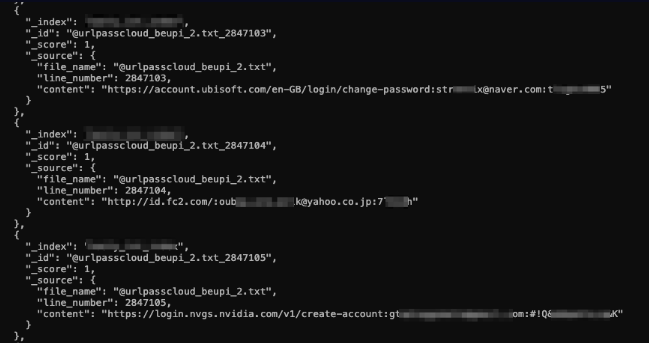
- One high-profile case exposed 184 million+ plain text login credentials (usernames + passwords) tied to platforms like Google, Facebook, Apple, Microsoft, Netflix, PayPal, Roblox and even government accounts.
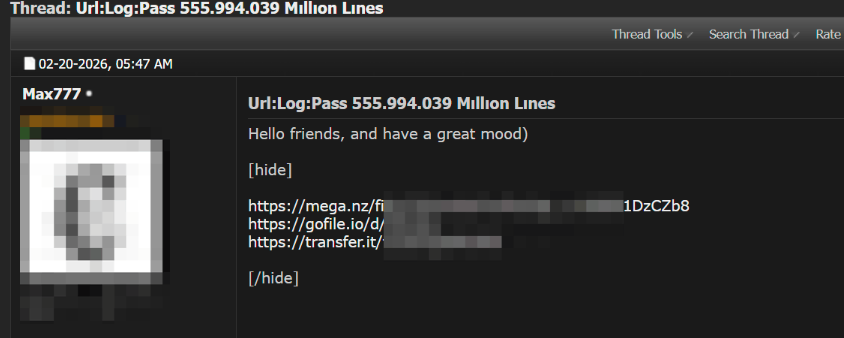
- Aggregated leaks from infostealer malware logs and misconfigured servers have pushed totals to billions of records, including sets averaging ~550 million credentials each.
- Fresh 2026 findings include 43 million+ records with 5 million+ valid credentials, thousands of credit cards, and PII from infostealer logs.
- Larger exposures hit 1.7 billion documents, 3 billion email-password pairs, and even 8.7 billion Chinese records with plaintext passwords and national IDs.
These Elasticsearch data exposures stem from a common culpri port 9200 left open to the internet, disabled authentication, weak firewalls, and no network segmentation. Attackers scan tools like Shodan and FOFA to find and exploit these in minutes.
Why Plain-Text Credentials in Elasticsearch Are a Nightmare
Plain‑text passwords are like loose change in a pocket you can use them right away. That immediatly turns every breach into a sprint for cybercriminals. They’ll launch credential‑stuffing sweeps that hit millions of accounts in a single push, craft custom phishing attacks, hijack user sessions, and then pull off identity theft, fraud or even plant ransomware.
The damage isn’t just theoretical. In the wild, the worst hit parties are social media, finance, e‑commerce, government, and healthcare. In those arenas, a single stolen password can snowball into a full‑blown breach that ripples across patients, customers, and critical services.
High-Risk Impacts of This Massive Credential Leak
- Identity Theft & Fraud: Exposed emails + passwords enable seamless account hijacking.
- Business Losses: Companies face regulatory fines (GDPR, CCPA), lawsuits, and reputational damage.
- National Security Risks: Government-linked credentials in leaks raise espionage concerns.
- Rising Cybercrime: Fuels botnets, dark web markets, and larger attacks.
This isn’t isolated Elasticsearch misconfigurations rank among top causes of data breaches 2026, with billions exposed in recent years.
How to Protect Against Elasticsearch Exposures & Credential Leaks
Organizations and individuals must act fast because the data is already exoposed so do it now otherwise your account is takerover
- Secure Elasticsearch Immediately
- Enable authentication (X-Pack or OpenSearch Security).
- Restrict access via firewalls/VPC.
- Never expose port 9200 publicly.
- Encrypt Sensitive Data
- Use hashing (bcrypt/Argon2) + salting for passwords.
- Encrypt at rest and in transit.
- Monitor & Scan Regularly
- Use tools like Shodan, GreyNoise to detect exposures.
- Implement continuous vulnerability scanning.
- User Best Practices
- Enable multi-factor authentication (MFA) everywhere.
- Use password managers and unique credentials.
- Check Have I Been Pwned? for exposure.
- Incident Response
- Rotate passwords instantly if affected.
- Monitor accounts for suspicious activity.