The open-source streaming landscape has been hit with a critical security and wake-up call following discovery of CVE-2026-29058.This zero-click vulnerability carrying a maximum CVSS severity rating and target the core of the AVideo platform (v6.0).Unlike the traditional exploits require a victim to log in or click a malicious link and this flaw is entirely network-based and unauthenticated.The vulnerability is rooted in the objects/getImage.php component where a catastrophic failure input sanitization and allows an attacker to break out of the application layer and execute arbitrary operating system commands.
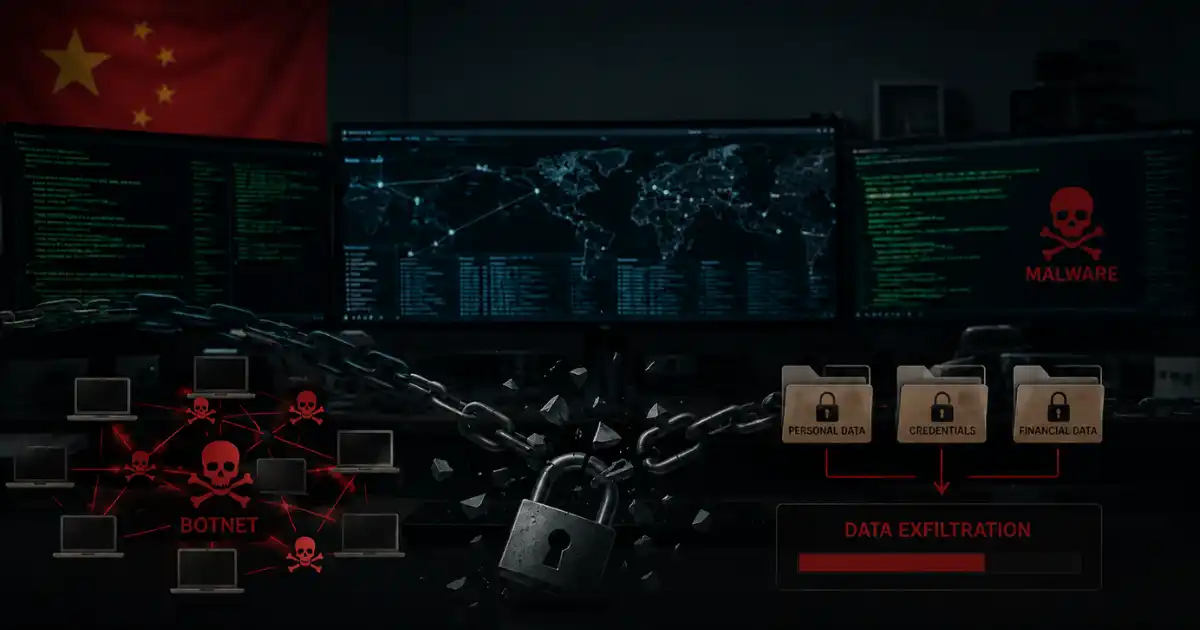
The technical smoking gun lies in how the platform handles the base64Url parameter. AVideo attempts to process the user supplied input by decoding it and interpolating it directly into a double-quoted ffmpeg shell command.While the developers implemented basic URL filters they failed to account for CWE-78 the improper neutralization of shell metacharacters.By injecting specific command substitution sequences into the Base64 string. An attacker can trick the server into executing malicious instructions alongside the intended image processing task. For a streaming platform the impact is absolute; it grant an adversary keys to the kingdom and allow them to exfiltrate database secrets, pivot into internal networks, or even manipulate live broadcasts to display unauthorized content.
Hardening the Stream: Architectural Defenses and the Path to Remediation
Switching from AVideo 6.0 to 7.0 isn’t just a cosmetic upgrade it re-writes how the platform deals with untrusted data.The new patch drops risky string interpolation altogether and replaces it with the escapeshellarg routine, which forces every byte a user supplies to be treated as plain text instead of executable code.That simple change stops attackers from injecting commands at the source.Yet, patching the code is only the first layer of protection. In a real‑world, enterprise setting you want a defence‑in‑depth approach, so that a single hole in an open‑source tool won’t collapse the entire infrastructure.
For administrators who cannot upgrade immediately, the priority is Attack Surface Reduction. This involves implementing strict IP allowlisting at the reverse proxy layer (Nginx or Apache) to block public access to the objects/getImage.php endpoint. Furthermore, Web Application Firewalls (WAFs) should be configured with custom regex patterns to inspect Base64-encoded strings for common shell payloads like $(whoami) or ; rm -rf. Beyond immediate fixes, this incident highlights the need for Runtime Application Self-Protection (RASP) in media environments. By monitoring the underlying shell calls made by ffmpeg in real-time, security teams can detect and kill suspicious sub-processes before they can establish a reverse shell or exfiltrate sensitive configuration files.