Inside the Instagram Data Leak: The Truth Behind 17.5 Million Exposed Accounts
In early 2026, Instagram users were hit with unsettling news: a dataset linked to 17.5 million accounts appeared on underground forums. Panic spread as users received unexpected password reset emails, sparking fears that their accounts had been hacked. While the headlines were alarming, the truth was more nuanced. Let’s break it down in simple terms, explore why it matters, and give you practical steps to protect your account.
How It All Began
On January 7, 2026, a hacker going by the name “Solonik” posted a dataset claiming to include millions of Instagram users’ information. Almost immediately, people across the globe noticed suspicious password reset emails. Many assumed Instagram had been directly hacked, causing a wave of anxiety on social media.
Experts later confirmed that Instagram itself had not been breached internally. The emails were triggered by an external vulnerability, not a hack of Instagram servers. Still, the dataset’s appearance raised valid concerns about privacy and security.
What Data Was Exposed?
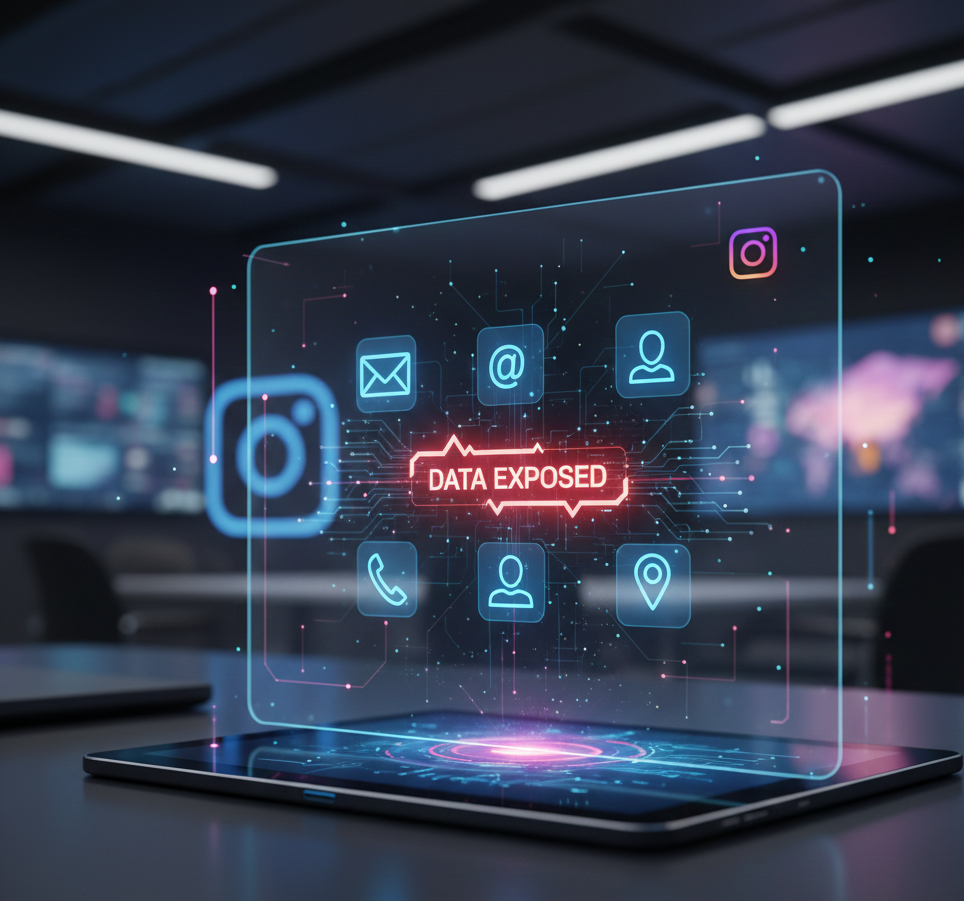
The leaked dataset reportedly contains:
- Usernames and full names – basic identification data.
- Email addresses – potential entry points for phishing attacks.
- Phone numbers – valuable for scams and spam calls.
- User IDs and partial location info – which could hint at user activity patterns.
- Other contact info – likely scraped or collected from previous leaks.
Instagram’s Response
Instagram and Meta were quick to respond, assuring users that:
- Accounts were not hacked.
- The mass password reset emails were caused by an external bug.
- No passwords were compromised.
- Meta’s response helped calm fears, but it highlighted a reality: even minor technical issues can cause mass panic when personal data is involved.
Why You Should Still Care
Even without a direct hack, the dataset matters. Personal data like emails and phone numbers can be used for:
- Phishing attacks – malicious messages crafted to trick you into giving more sensitive information.
- Social engineering scams – attackers impersonate trusted contacts or platforms.
- Identity theft – combining leaked data with publicly available info to steal your identity.
Cybersecurity experts believe this dataset mostly comes from older leaks or data scraping rather than a brand-new Instagram breach. But even recycled data can be dangerous in the wrong hands
How to Protect Your Instagram Account
Security experts recommend the following steps:
1. Enable Two-Factor Authentication (2FA)
Use an authenticator app instead of SMS for stronger protection. Even if someone knows your password, they won’t be able to log in without the second factor..
2. Ignore Suspicious Password Reset Emails
If you didn’t request a reset, don’t click the link. Instead, check your account directly through the Instagram app.
3. Use Unique, Strong Passwords
Avoid reusing passwords from other accounts. Consider a password manager to create and store complex passwords safely.
4. Review Login Activity Regularly
Instagram allows you to see all active sessions. Log out of any unfamiliar devices immediately.
5. Be Wary of Suspicious Messages
Hackers may use leaked info to send convincing messages. Avoid clicking unknown links or sharing personal info.
Lessons for Social Media Users
The Instagram incident highlights a key reality: online data is never fully private. Even the most secure platforms can’t prevent outside actors from misusing publicly available or previously leaked data.
Users must take responsibility for their digital safety:
- Stay alert to phishing and scams.
- Keep passwords unique for each account.
- Enable security features like 2FA.
Expert Insights
Cybersecurity analysts emphasize that while the media may call this a “major breach,” it’s more accurately described as a data aggregation incident.
Dr. Sarah Lawson, a cybersecurity researcher, explains:
“This leak mostly contains information already circulating online. Instagram itself was not hacked, but the data can still be exploited for phishing and scams. Users must stay vigilant.”
Conclusion
The Instagram dataset leak affecting 17.5 million accounts is a wake-up call for all social media users. While Instagram itself was not hacked, and passwords were not exposed, the circulation of personal information—emails, phone numbers, and usernames—demonstrates how vulnerable our digital footprints can be.
This incident is a reminder that online security is a shared responsibility: platforms can provide tools, but users must take proactive steps to protect themselves. Enabling two-factor authentication, using strong and unique passwords, monitoring account activity, and staying vigilant against suspicious messages are no longer optional—they are essential habits in today’s digital world.