On April 30, 2026 the Iran-linked hacktivist group Islamic Cyber Resistance in Iraq 313 Team launched a devastating DDoS attack on Ubuntu and Canonicals entire web infrastructure a 15+ hour outage more than 12 services down security APIs offline and then a direct extortion message negotiate or the servers will not be taken down. This was not just a DDoS it was the most calculated and dangerous attack on open source infrastructure.
Imagine you are sitting down one morning to work on your Linux server, updating packages checking security patches and ubuntu.com simply wonot open. Then security.ubuntu.com is dead. Then archive.ubuntu.com is not responding either.
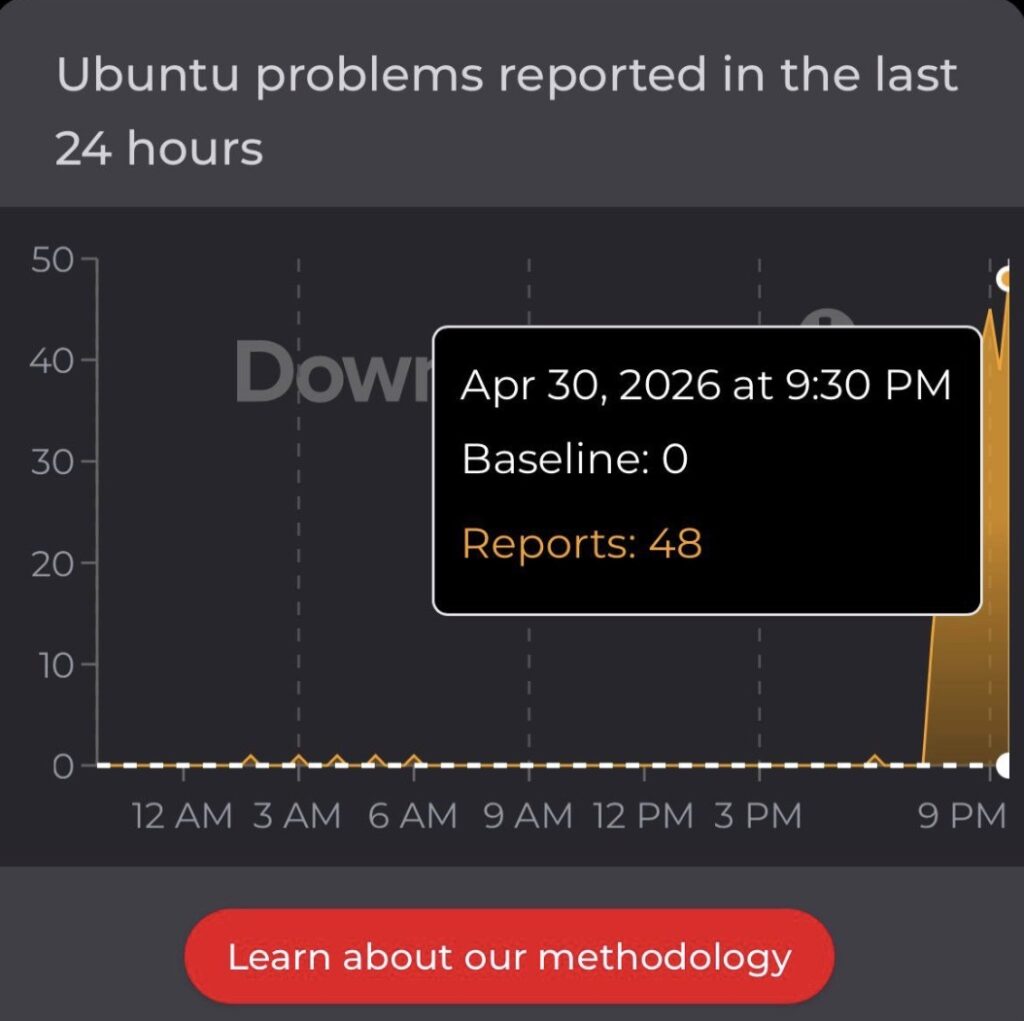
You think its probably an internet issue but no it was a coordinated sustained cyberattack targeting the foundation of billions of Linux users around the world. Canonical confirmed that its web infrastructure was under a sustained cross-border Distributed Denial of Service attack and that teams were working to restore full availabilitybut this was said on the evening of April 30, 2026 and the attack was still ongoing 12 hours later.
The difference between this incident and a typical DDoS attack is that the group behind the attack was not just looking to disrupt and they wanted to negotiate. Then came an extortion ultimatum and proving that hacktivist warfare has now taken a new and far more dangerous form.
The attack was claimed by the Iran-aligned hacktivist group The Islamic Cyber Resistance in Iraq 313 Team. The group was first observed shortly after the Gaza conflict onset in December 2023 and according to a HawkEye threat advisory it has assessed ties to Irans Ministry of Intelligence and Security (MOIS).
The groups name and symbolic identity reference a 1969 Palestinian political cartoon character. Psychological impact and visibility are core to the group’s doctrine. The attack began at 1 PM EST April 30, 2026 users attempted to access ubuntu.com and received 503 errors.
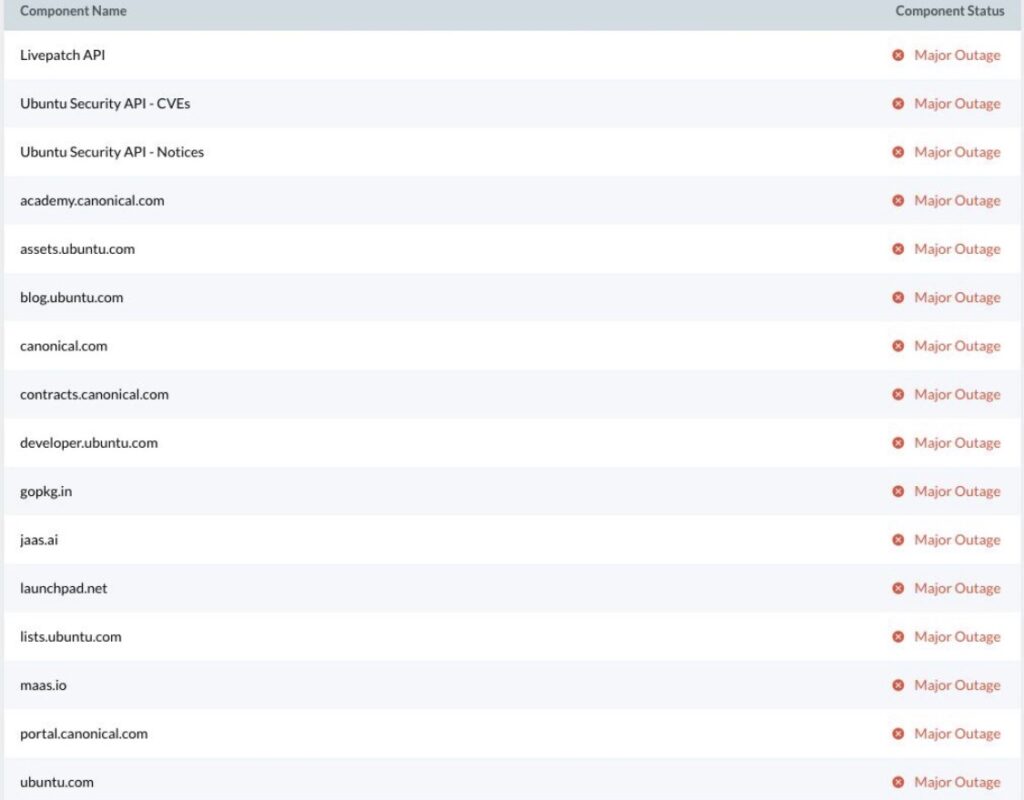
By the time the picture became clear, this was a deliberate large-scale attack and servers were still down after 15 hours. Reading the list of affected services was a nightmare ubuntu.com, canonical.com, security.ubuntu.com, archive.ubuntu.com, developer.ubuntu.com, blog.ubuntu.com, Ubuntu Security API CVEs, Ubuntu Security API Notices, Snap Store Snapcraft and Launchpad Livepatch API and Landscape basically every service a Linux sysadmin or DevOps engineer depends on daily.
Hacktivists to Extortionists When Attacks Become Ultimatums
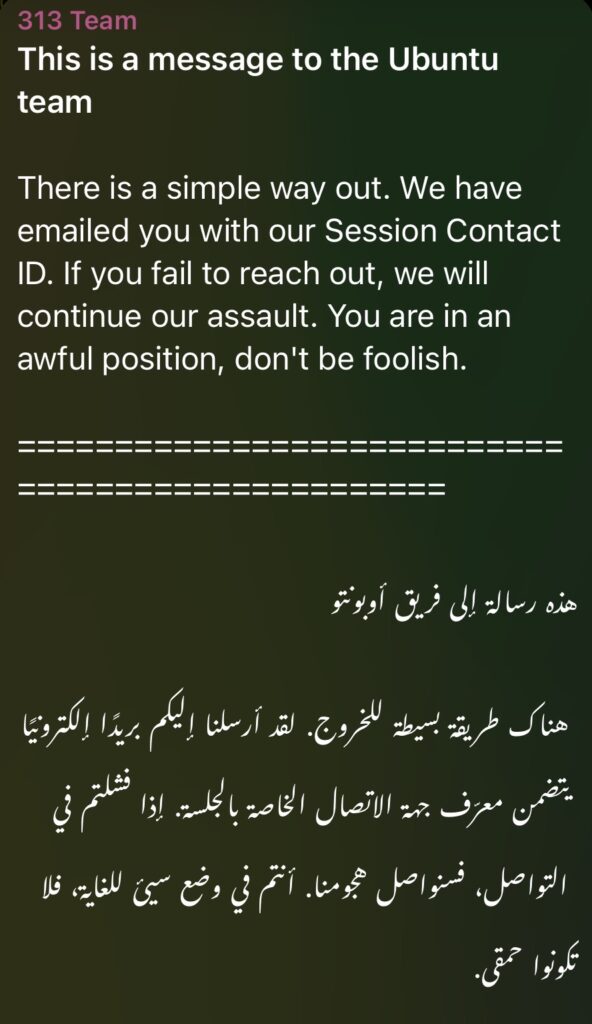
The 313 Team announced on its Telegram channel that the attack would continue for four hours but disruption was still ongoing 12 hours later. The group then sent a follow-up message directly addressing Canonical There is a simple way out.
We have emailed you with our Session Contact ID. If you fail to reach out, we will continue our assault. You are in an awful position, don’t be foolish. This sentence represents a defining shift in the cybersecurity landscape. Previously hacktivist groups would deface websites to make a point embarrass the target and move on.
Then came the pure disruption DDoS. Now they specifically disable infrastructure leverage dependencies, and negotiate. Session is a metadata minimizing messenger that uses random IDs a common channel for ransom negotiations and Canonical has not yet publicly acknowledged the ransom demand.
313 Teams prior attack track record is quite alarming a DDoS on Truth Social in June 2025 a sustained campaign on Saudi Arabia’s Absher government services platform in December 2023 where the group itself said only we decide when to stop it a 72+ hour attack on 26 Kuwaiti government IP domains in February 2026, and coordinated strikes on Saudi banks Riyad Bank, Al Rajhi Bank Kuwait International Airport and UAE telecom operators in March 2026.
This group does not just do website defacement its documented TTPs include wiper malware, data theft phishing, extortion and defacement. The geopolitical context is also significant here on February 28, 2026 following Operation Epic Fury pro-Iranian hacktivist groups launched 149 DDoS attacks on 110 organizations in 16 countries within just nine hours. In this broader wartime cyber landscape and Team 313 operates through the IRGC-backed coordination hub Electronic Operations Room.
The most disturbing thing about this attack is the insight it provides into the threat model of open-source infrastructure. Ubuntu is globally critical billions of devices run on it but its maintained by relatively small teams that don’t have the incident response resources of major cloud providers.
This group deliberately targeted infrastructure that users genuinely depend on security APIs and update channels to leverage dependencies. Ubuntu APT repositories and ISO downloads remained available due to the distributed architecture but the security CVE APIs going offline was a serious concern for patch management tools and security automation pipelines globally.
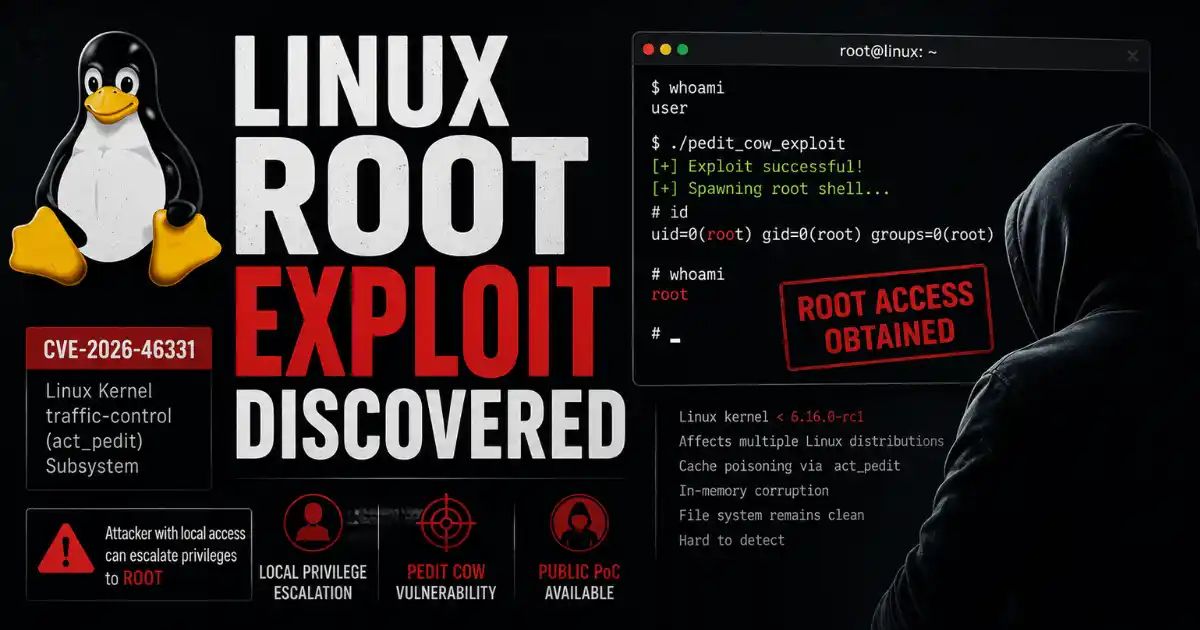
This outage overlapped with the public disclosure of a severe Linux vulnerability called CopyFail a coincidence that led some researchers to wonder whether the attack was deliberately timed when users most needed patches.
This is a wake up call for Canonical and the open-source community globally critical infrastructure needs enterprise grade DDoS mitigation distributed CDN failover and clear incident response playbooks, whether open-source or commercial. And for defenders its important to understand that todays hacktivist could become tomorrows extortionist.